- 01Why “the same as every year” stops being enough
- 02What you need changes with your kids’ ages
- 03The 4 items our family checks
- 04Go-bag contents: surprisingly tricky decisions
- 05The easy-to-miss “communications preparedness”
- 06What I keep in mind about cost
- 07Getting everyone in the family on the same page
- 08What I took away from doing this
Good morning, it’s まさきん.
I saw a forecast saying more typhoons than usual are expected to approach this summer. So I decided to take stock of our disaster supplies ahead of time.
We have several kids at home, and I’ve come to feel that stockpiling works a little differently than it does for an adults-only household. Today I want to sort through that.
Why “the same as every year” stops being enough
Disaster supplies aren’t a one-and-done purchase. The reason is simple: kids grow every year.
The diaper size that fit perfectly last year may not fit anymore. We no longer need formula, but the kids are eating more overall. And shouldn’t the amount of water per person be adjusted to their size, too?
Keeping track of expiration dates is also quietly time-consuming. So I’ve made “right before typhoon season” our fixed time for the checkup. It’s the same idea as building regular reviews into your routine at work.
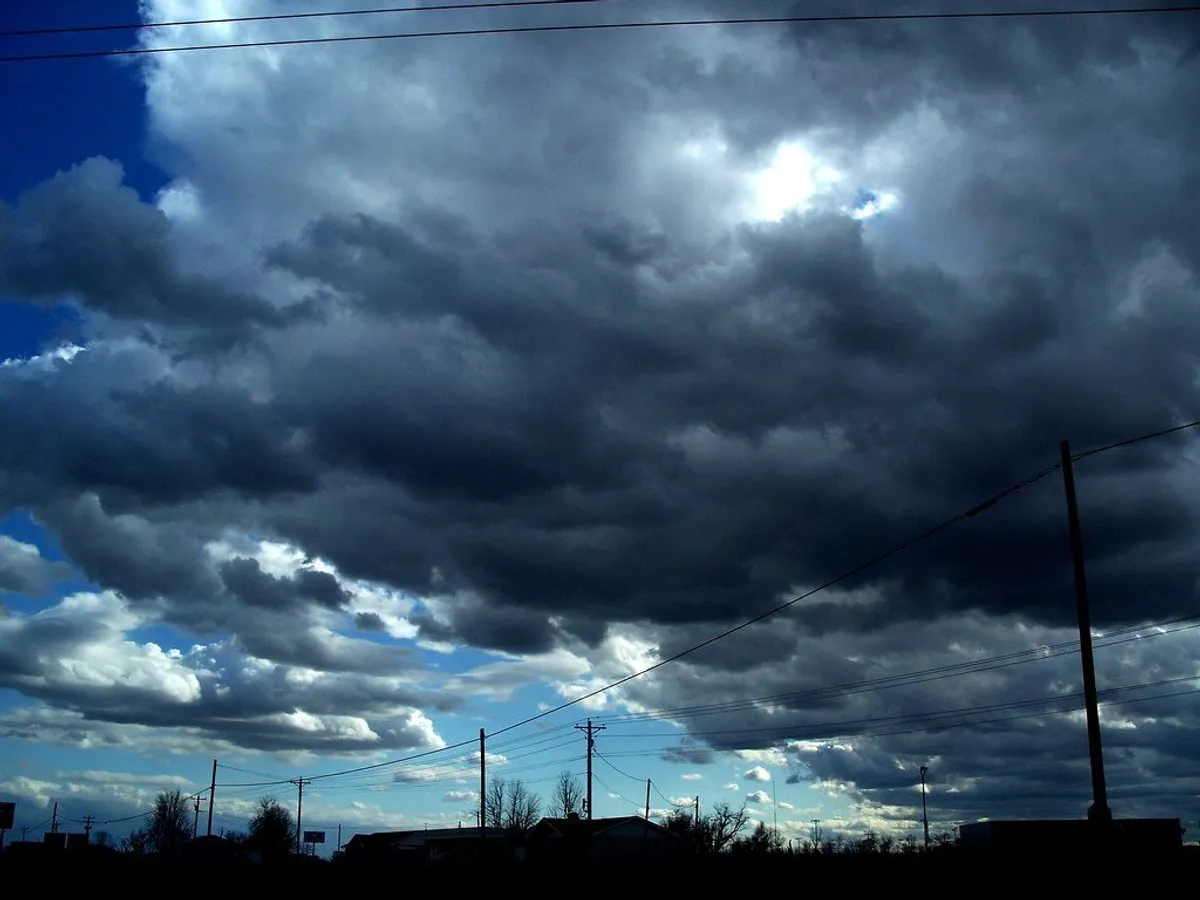
This year I came across a weather outlook saying more typhoons than usual could approach around August. It’s also said to be the kind of year that tends toward extreme heat and heavy rain. I don’t intend to take forecasts too literally, but it felt like more than enough reason to get ready early.
What you need changes with your kids’ ages
We have several kids with a fair spread in ages. So I started splitting our supplies into “shared by the whole family” and “age-specific.”
For households with little ones, diapers, wipes, and allergy-friendly formula and food are high-priority items. For the older kids, I’ve found that things that help them stay calm, like study materials or a rechargeable game console, matter more than you’d expect.
As kids get older, the amount they can carry themselves goes up too. Rather than just refreshing the go-bag contents as-is each year, I go through them together with the kids and decide again what goes in.
The 4 items our family checks
During the checkup, I go through these four in order.
- Water and food: I aim for 3 days’ worth × the number of people in the family. We use rolling stock, rotating items through our everyday meals
- Kids’ consumables: Diapers, wipes, allergy-friendly food, and other things whose size or quantity changes every year
- Power banks and lighting: I prioritize brightness and ease of use so the kids don’t get scared during a power outage
- Evacuation go-bags: I also check that they’re not too heavy and that each child can carry their own
If you try to do everything in one go, it tends to get put off. So I limit it to one weekend morning and aim to finish within that window.
Go-bag contents: surprisingly tricky decisions
I thought packing a go-bag would just mean following a checklist. But when I actually did it, there were plenty of moments where I wasn’t sure what to do.
Take regular medications, for example. Across several kids, the types and amounts vary from family to family. I consult our family doctor and swap in only the bare minimum we need.
Copies of the maternal and child health handbook and insurance cards are also easy to forget. Taking the originals isn’t realistic, so I photographed them and keep copies both on my phone and on paper. Considering that phones may be unusable in a power outage, having one paper copy gives me peace of mind.
The easy-to-miss “communications preparedness”
While taking stock of our supplies, I realized something again: your means of communication are part of your preparedness too.
During outages and disasters, networks get flooded with people checking on their families. If all your lines are with one carrier, the whole family could be stuck when that carrier can’t connect.
When we sorted out our family’s phone lines, we deliberately chose not to consolidate everything under a single carrier. I feel it served two purposes: cutting costs, and spreading the risk in case of emergencies.
Clicking this opens the Rakuten login page. Once you log in, you’ll see the campaign details.
Power banks are really something to think about together with communications, too. Once the battery dies, no carrier in the world will help you. We keep one high-capacity unit, plus a small one for each kid that they can carry themselves.
What I keep in mind about cost
Stocking up for disasters gets expensive if you try to buy everything at once. So I mix a little into our regular monthly shopping for household goods.
Just like reviewing fixed costs, I find it’s less of a burden to do things in small, steady steps rather than all at once. Personally, I also like the idea of putting part of the money saved on phone bills toward replacing stockpile items.
That said, if you choose only on price, you can end up buying things the kids find hard to use. I make sure never to skip the step of letting them actually try something before we commit to it.
The timing of purchases can also be tied to point rewards. If you stock up during Rakuten Ichiba sales, the points effectively lower your cost. I like the approach of not treating stockpiling and saving money separately, but covering both in the same shopping trip.
Getting everyone in the family on the same page
Sometimes I feel that just having supplies isn’t enough to actually act when it matters. If nobody knows what’s in there, you have to start by searching for things.
In our family, everyone knows where the go-bags are kept and what’s inside. With the older kids, we also went over evacuation routes and meeting spots. I suspect that making sure the kids themselves “know” is, quietly, the most effective thing of all.
I also look over the hazard map from our local government once a year. Even if you haven’t moved, development in the area can change the situation. The information itself is free, so there’s no harm in at least checking it first.
What I took away from doing this
After finishing the checkup, I found a surprising number of things were still as they were last year. Kids’ consumables in particular, whose sizes and quantities change, tend to become unusable if you leave them alone.
That said, I don’t think you need to aim for a perfect stockpile. Just checking whether it fits your current family makeup is a solid first step, isn’t it?
We also used this moment to talk as a family about our communications preparedness. Opportunities to review your lines and phone plans as a family might come from exactly this kind of occasion.
Clicking this opens the Rakuten login page. Once you log in, you’ll see the campaign details.
This article contains affiliate advertising. If you sign up for a product or service through a link on this site, we may receive compensation from the partner company. The site operator is also an employee of Rakuten Group and may receive compensation through an employee referral program. The content and opinions here are based on the operator’s own experience and research regardless of any advertising relationship, but please read with the above in mind. See the Disclaimer & Affiliate Disclosure for details. Disclaimer & Affiliate Disclosure
This article includes machine-translated content. Please check the official Rakuten Mobile multilingual page for exact terms.
If you have concerns about Rakuten Mobile coverage or signal quality, you can consult through the official signal improvement request form .