- 01Stop thinking in terms of “advertising”
- 02Real-world cases where “ads that don’t look like ads” proved powerful
- 03The more ad-saturated a market is, the sharper its tricks for beating “ad aversion” become
- 04Segment carefully, and deliver with care
- 05In 2026, this perspective matters more than ever
- 06Wrapping up
Good morning, まさきん here.
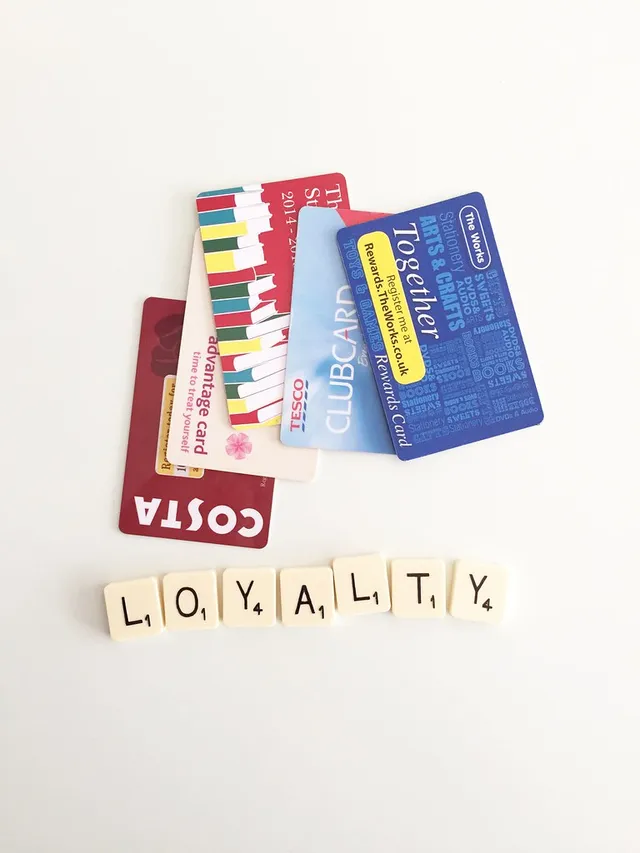
Working in marketing, there’s something I notice again and again: communication that blends into the brand experience itself ends up being more powerful, in the end, than pushy, in-your-face advertising.
Stop thinking in terms of “advertising”
Just building a website doesn’t create brand value on its own. Value only shows up once it truly reaches people and gets recognized.
What matters here, I think, is not boxing your efforts into the category of “advertising” alone. Customer service, packaging, how an app feels to use — every experience a person actually touches becomes a message from the brand.
Companies that succeed at maximizing the customer experience tend to be thoroughly customer-focused, and they use digital as a “means,” not an end in itself. What they have in common, I feel, is that digital itself never becomes the goal.
Come to think of it, the referral link in this post might follow the same logic. It’s not flashy advertising — it’s simply a friend passing something along.
A simulator you can check without signing a contract might be another example of something that doesn’t feel pushy.
Clicking this opens the Rakuten login page. Once you log in, you’ll see the campaign details.
Real-world cases where “ads that don’t look like ads” proved powerful
A case that often comes up as a symbol of this paradox is how Ryohin Keikaku, the company behind MUJI, responded back in 2013. When an environmental group launched a campaign demanding they stop selling shark fin soup, Ryohin Keikaku pushed back directly with a press release laying out its position, and kept the product on shelves. As a result, sales of that product reportedly grew to roughly four times what they had been. They didn’t run a loud ad campaign — they simply explained their position honestly, and that explanation itself became a story that spoke for the brand. I think it’s a great example. This same kind of thorough honesty, I think, also ties into the power that reviews and word of mouth carry.
Another example that has stuck with me is the #ImNoAngel campaign that Lane Bryant, the US lingerie brand, ran for its Cacique line. As a counter to competitors’ ads that leaned on idealized model body types, it featured so-called “ordinary” people of all shapes and styles, in their own underwear, talking about what “sexy” meant to them. I think it’s a case where the lack of polish became, ironically, the strongest part of the message.
Looking at these cases reminds me of the idea behind the “UX maturity model”. Featured in a UX trade publication, this model maps out the maturity stages of user experience, from merely “usable” all the way up to, eventually, “delightful.” I think advertising and marketing work the same way. At first, you’re doing everything you can just to get across features and information. But as things mature, delivering “delight” to people becomes the goal in itself. The Ryohin Keikaku and Lane Bryant examples look, to me, like they embody exactly that mature stage.
The more ad-saturated a market is, the sharper its tricks for beating “ad aversion” become
My sense is that the more often people are exposed to ads in a given market, the stronger their resistance to advertising itself tends to become. Looking at countries and industries with heavy ad exposure, you see all kinds of techniques for softening that resistance — managing people’s expectations ahead of time, or carefully shaping the context a message is delivered in.
There’s also a trend where communication built around plain, unembellished messages — things like social contribution or environmental responsibility, prioritizing clarity above all — ends up working better precisely because it doesn’t try too hard. The less advertising tricks work, the relatively stronger honesty-without-tricks becomes. This connects to something I wrote before, about how I think the real point of CRM is avoiding “bad revenue”: prioritizing honesty over short-term numbers is what ends up paying off over the long run. I see the Ryohin Keikaku and Lane Bryant examples as extensions of this same trend.
Segment carefully, and deliver with care
Instead of treating all customers as one group, you vary the message depending on their stage — awareness, trial, repeat purchase. This, too, is an important technique for stripping away that “advertising” feel.
Fully individualized, one-on-one treatment isn’t efficient in every situation, so I think it’s more realistic to split customers into a handful of stages and build up tactics suited to each. Just varying the message by stage brings the recipient closer to feeling like they’re being spoken to personally, and the pushy, ad-like feel naturally fades.
That said, it’s not uncommon for the insight gained this way to stay locked inside one person’s head. I think it’s just as important to build that knowledge into a system — something the next person can actually put to use.
If you carefully keep records of how responses differ from stage to stage, that becomes the foundation for planning similar initiatives down the line. I’ve come to feel that building this up as a team asset, instead of letting it live with one individual, is every bit as unglamorous — and just as effective — as the work of stripping the “ad” feel out of your messaging.
In 2026, this perspective matters more than ever
Precisely because social media and generative-AI content have multiplied, I feel the value of communication that strips out the “ad” feel has only grown compared to before.
The instant something registers as an ad, it gets skipped past — and I think that reflex is stronger now than it used to be. That’s exactly why communication that blends into the experience itself keeps gaining relative strength. The reason the Ryohin Keikaku and Lane Bryant examples are still talked about today, I think, is that people received that messaging not as “advertising,” but as the brand’s stance itself.
Now that generative AI lets anyone mass-produce ad-like copy and visuals, people’s sensitivity to “unvarnished, genuine honesty” seems to be rising as a kind of counter-reaction. We may be moving into an era where a bit of roughness backed by real conviction ends up more trustworthy, in the end, than polished, manufactured perfection.
Wrapping up
I try to write this blog the same way — keeping the promotional tone as light as possible, and writing from real, lived experience instead. The best communication is the kind that doesn’t feel like communication at all. Whether it’s marketing on the job or writing about everyday life, I suspect the root of it is the same.
Clicking this opens the Rakuten login page. Once you log in, you’ll see the campaign details.
This article contains affiliate advertising. If you sign up for a product or service through a link on this site, we may receive compensation from the partner company. The site operator is also an employee of Rakuten Group and may receive compensation through an employee referral program. The content and opinions here are based on the operator’s own experience and research regardless of any advertising relationship, but please read with the above in mind. See the Disclaimer & Affiliate Disclosure for details. Disclaimer & Affiliate Disclosure
This article includes machine-translated content. Please check the official Rakuten Mobile multilingual page for exact terms.
If you have concerns about Rakuten Mobile coverage or signal quality, you can consult through the official signal improvement request form .