Good morning. It’s まさきん.
I recently had a reason to look into real estate taxes, so I checked how the brokerage fee you pay when selling a property is treated.
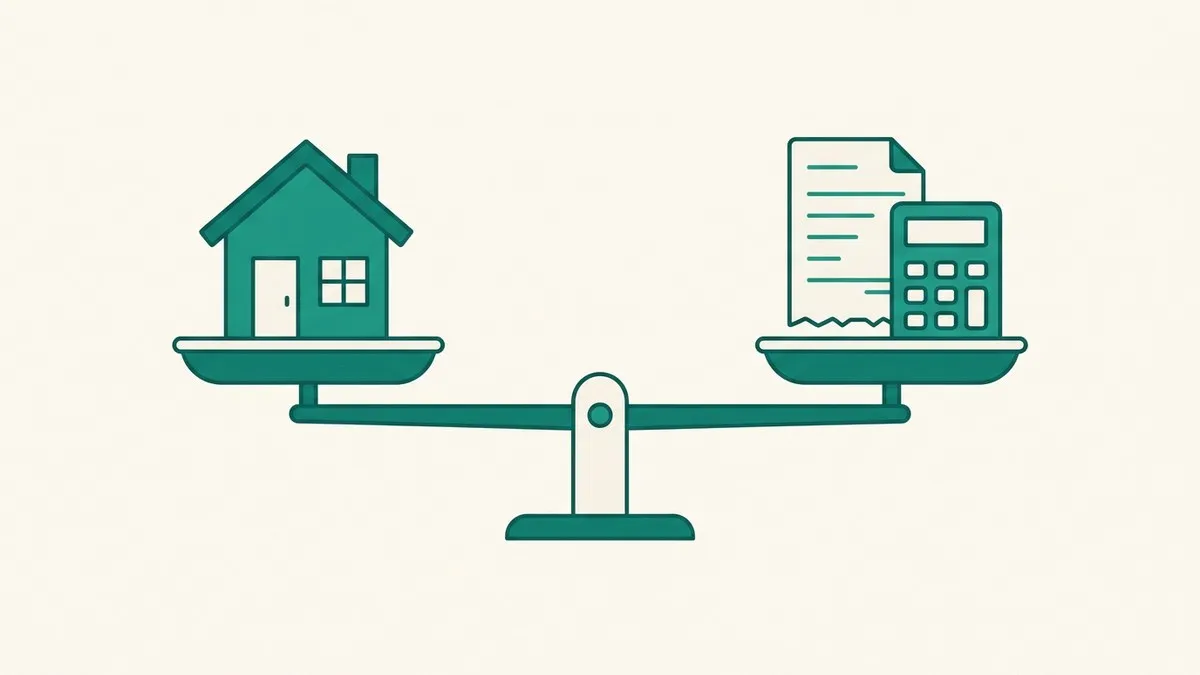
“Necessary expenses” and “transfer costs” sound similar but are actually different things. That distinction was the main point I wanted to sort out.
Brokerage fees are not “necessary expenses”
The first thing I checked was which category brokerage fees fall into.
According to the National Tax Agency’s guidance, brokerage fees paid to sell land or buildings are included in “transfer costs.”
- Necessary expenses: costs of maintaining and managing the asset, such as repairs and fixed asset tax
- Transfer costs: costs directly incurred to sell the asset, such as brokerage fees and stamp duty (the seller’s share)
- Brokerage fees fall under transfer costs
Necessary expenses are the upkeep costs while you keep owning an asset. Transfer costs are tied directly to the one-time transaction of selling it. The terms sound alike, but they are handled completely differently in the tax calculation.
Clicking this opens the Rakuten login page. Once you log in, you’ll see the campaign details.
Other costs that count as transfer costs
Besides brokerage fees, there are several other costs accepted as transfer costs.
- Stamp duty (the seller’s share)
- Eviction compensation paid to tenants of a rental property
- Building demolition costs
- Penalty fees paid to sell on more favorable terms
- Name transfer fees when selling leasehold rights
What they all have in common is that they were spending directly needed for the act of selling.
Leaving it all to automatic entries can lead to mistakes
Another thing that caught my attention was a practical point to watch out for.
If you sell a property used for business and let your accounting software’s automatic entry rules handle the payment, it may end up recorded as an ordinary necessary expense.
Transfer costs like brokerage fees are not necessary expenses for business income. They are used to calculate capital gains from the transfer. Even if you paid from your business account, you apparently need to classify the payment as owner’s drawings (jigyonushi-kashi) and keep it out of your business profit and loss calculation. It seems wise to check the results of automatic entries rather than trusting them as-is.
Because the treatment differs from everyday expenses, this felt like an easy thing to overlook.
Summary
The brokerage fee you pay when selling real estate is treated as a transfer cost, not a necessary expense.
Necessary expenses and transfer costs both look like “money spent on the property,” but for tax purposes they are different things. Rather than relying entirely on your accounting software’s automatic entries, it may give you peace of mind to check once whether any of your payments count as transfer costs.
Tax rules and how they apply vary depending on your situation. When you are preparing an actual tax return, I recommend checking the National Tax Agency’s guidance or consulting a professional such as a tax accountant.
Clicking this opens the Rakuten login page. Once you log in, you’ll see the campaign details.
This article contains affiliate advertising. If you sign up for a product or service through a link on this site, we may receive compensation from the partner company. The site operator is also an employee of Rakuten Group and may receive compensation through an employee referral program. The content and opinions here are based on the operator’s own experience and research regardless of any advertising relationship, but please read with the above in mind. See the Disclaimer & Affiliate Disclosure for details. Disclaimer & Affiliate Disclosure
This article includes machine-translated content. Please check the official Rakuten Mobile multilingual page for exact terms.
If you have concerns about Rakuten Mobile coverage or signal quality, you can consult through the official signal improvement request form .